





Category: Portal in action
A new study published in Agricultural Systems has found that use of the CABI BioProtection Portal is strongly associated with improved pest management knowledge, greater adoption of integrated pest management (IPM) practices, increased use of biopesticides and higher farm profits among smallholder chilli farmers in India.
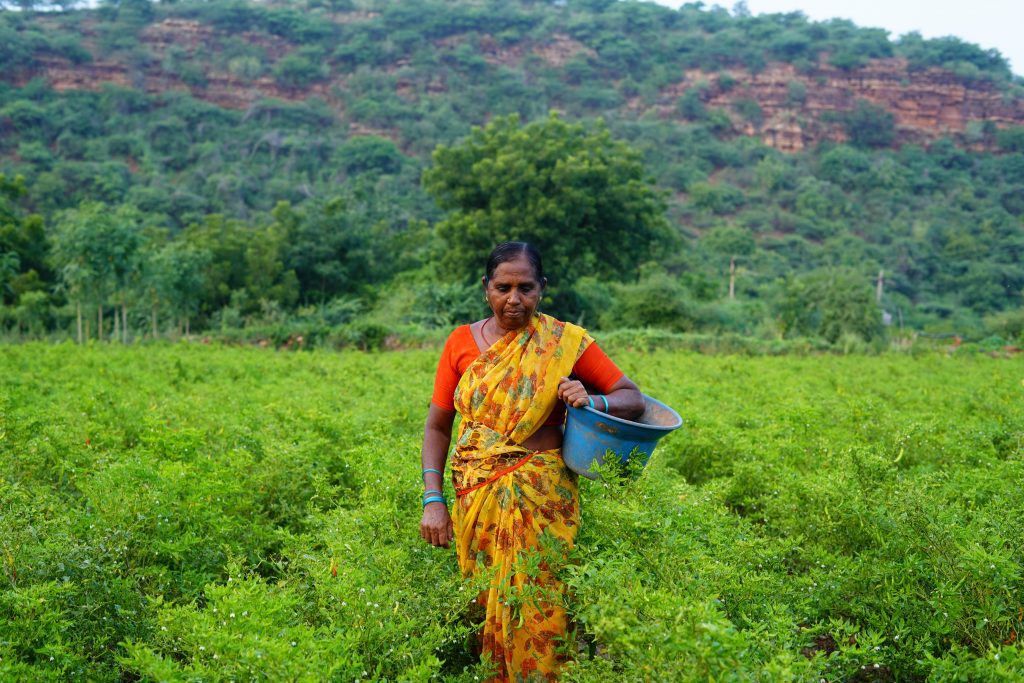
The study examined how three CABI digital decision support tools, the CABI BioProtection Portal, the Crop Sprayer App, and the Factsheets App, helped farmers manage chilli black thrips (Thrips parvispinus), an invasive pest that has caused severe crop losses and increased pesticide use in southern India. Researchers surveyed nearly 1,000 chilli farmers and assessed the relationship between use of the digital tools and a range of farming outcomes.
Overall findings
The study suggests that all three digital tools contributed to enhancing farmers’ pest management knowledge and encouraged the adoption of sustainable plant health practices.
Farmers using the tools:
- adopted 11% more IPM practices
- were 55% more likely to adopt biopesticides
- reduced synthetic pesticide use
- reported an average 23% increase in profit

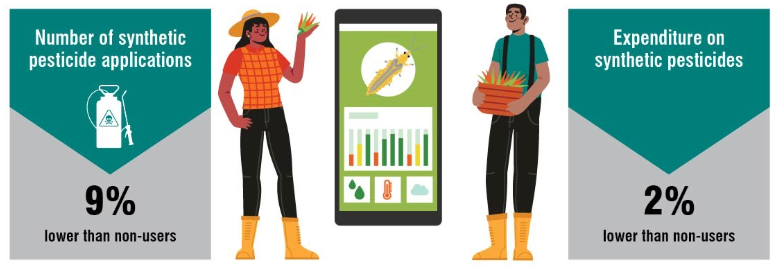
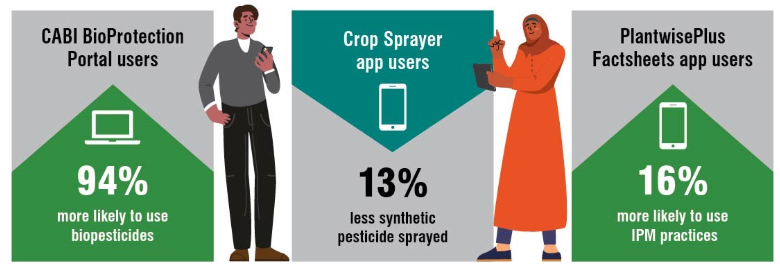
Researchers noted some differences in the impact of the three tools. For example, the Portal appears to have contributed more to biopesticide adoption, while the Crop Sprayer app contributed more to reducing chemical pesticide use. Notably, outcomes were stronger among farmers who used the tools with support from agricultural advisors.
How using the CABI BioProtection Portal changed farmer behaviour
Among the tools evaluated, the Portal showed the strongest association with adoption of sustainable pest management approaches. Farmers who used the Portal:
- were 53% more knowledgeable about sustainable management of chilli black thrips than non-users.
- adopted 23% more IPM practices, equivalent to adopting around 1.4 additional IPM practices.
- were 94% more likely to use biopesticides for pest management.
These findings likely reflect the Portal’s role in helping farmers and advisors identify locally registered bioprotection products and understand how they can be integrated into IPM programmes.
Reduced reliance on synthetic pesticides and higher profits
Reducing dependence on synthetic pesticides is increasingly important as farmers face growing pressure to manage pests effectively while addressing health, environmental and regulatory concerns.
The study also found that Portal users relied less on synthetic pesticides. Compared with non-users, they made 10% fewer synthetic pesticide applications, while maintaining crop productivity.
The reduced reliance on inputs, including synthetic products, was associated with improved economic outcomes. Farmers who used the Portal achieved 36% higher profits from chilli production than non-users.
Conclusion
The researchers conclude that digital tools such as the CABI BioProtection Portal can play an important role in improving access to reliable pest management information, supporting the adoption of bioprotection products and IPM, and helping farmers increase profitability while reducing reliance on synthetic pesticides.
Read the study: Promoting sustainable pest management through digital decision support tools: Insights from India.

