





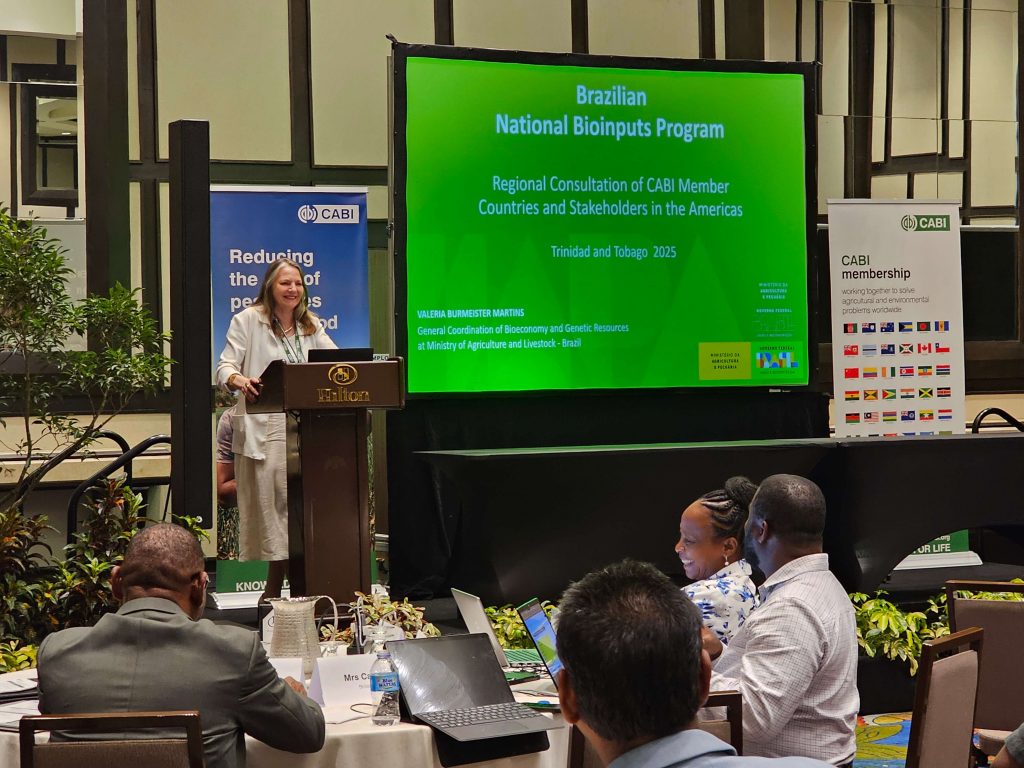
Across Brazil’s diverse agricultural landscapes, from soybean fields in the Cerrado to fruit production systems in the Northeast, a transformation is underway. What was considered an alternative is becoming part of mainstream agricultural practice. Farmers are increasingly seeking biological solutions that deliver productivity and protect natural resources.
These biological solutions, also called bioinputs, are products derived from living organisms, such as plants, animals, and microorganisms. They include biological control agents, biopesticides, microbial inoculants, biofertilizers, and other products that enhance plant health, improve soil fertility, and support sustainable pest and disease management.
Brazil has emerged as one of the fastest-growing markets for bioinputs, thanks to private sector engagement, increased farmer confidence in sustainable alternatives, and a favorable policy environment.
In 2025, the country recorded 162 new biological product registrations at the same time that adoption in the field continued to expand. More than 150 million hectares of biological solutions were applied during the 2024–2025 crop season, generating sales of around R$4.35 billion.
Behind these numbers are farmers making decisions in response to real challenges: rising input costs, unpredictable weather conditions, and markets demanding more sustainable production are encouraging farmers to integrate biological solutions into their agricultural practices.
Brazil’s National Bioinputs Program: A National Strategy for Biological Innovation
The National Bioinputs Program, led by the Ministry of Agriculture and Livestock (MAPA), is at the heart of this change. The program aims to expand the development, regulation, and adoption of bioinputs across the country, supporting more sustainable crop, livestock, aquaculture, and forestry systems. Through a structured regulatory framework, the program creates the conditions for innovation across the agricultural sector.
Among its key priorities are strengthening research and development, improving regulatory processes, encouraging the establishment of regional biofactories, and expanding technical training for farmers and extension services. The program also encourages cooperation between governmental agencies, private corporations, and research organizations.
Another important objective is to reduce reliance on imported chemical inputs, enhance national technological capacity, and explore the potential of Brazil’s biodiversity as a driver of economic development and environmental protection. By bringing policy, science, and market incentives together, the initiative is helping position bioinputs not as alternatives, but as practical tools within resilient farming systems.

Empowering Decisions Through Knowledge
As Brazil promotes the adoption of bioinputs, access to reliable and science-based information becomes even more important. The CABI BioProtection Portal is one resource that supports this process.
The Portal provides farmers, advisors, and policymakers with free access to up-to-date information on registered biocontrol and biopesticide products by country. By making this information easy to find, the CABI BioProtection Portal supports the responsible use of bioinputs within integrated pest management (IPM) approaches.
“By strengthening collaboration between stakeholders and promoting access to tools like the CABI BioProtection Portal, we are creating the conditions for bioinputs to become an integral part of resilient food systems across Latin America,” said Yelitza Colmenarez, Regional Director for Latin America and Coordinator of the PlantwisePlus program for Latin America and the Caribbean.
Building a Sustainable Future
Brazil’s National Bioinputs Program aligns with a wider effort around the world to make farming systems more resilient and environmentally responsible.
Brazil is becoming a leader in the transition toward sustainable agriculture by strengthening institutional frameworks and investing in biodiversity-based innovation.
At the same time, initiatives such as the CABI BioProtection Portal aid by making knowledge on biopesticides and biocontrol agents available to farmers, advisors, and decision-makers, helping to bridge the gap between innovation and implementation on the ground.
Together, national policies and global knowledge platforms can make sustainable agriculture more than an aspiration but something to build, season after season.
Watch now
How Brazil is leading leading sustainable agriculture with the CABI BioProtection Portal:


