






China contributes a significant proportion of the world’s cotton production. In 2022/2023 alone, China produced over 6.5 million metric tonnes of cotton. In the 1990s and early 2000s, Chinese cotton farmers battled severe infestations of the cotton bollworm (Helicoverpa armigera).
What is cotton bollworm?
Cotton bollworm is a type of moth, its larvae (caterpillar) are a destructive pest. The cotton bollworm larvae eat the leaves of plants and as they develop, bore into fruits too. On cotton plants, they feed on flowers, seed pods, and leaves. This damages the plant and also creates entry points for infections, which can hinder the plants growth.
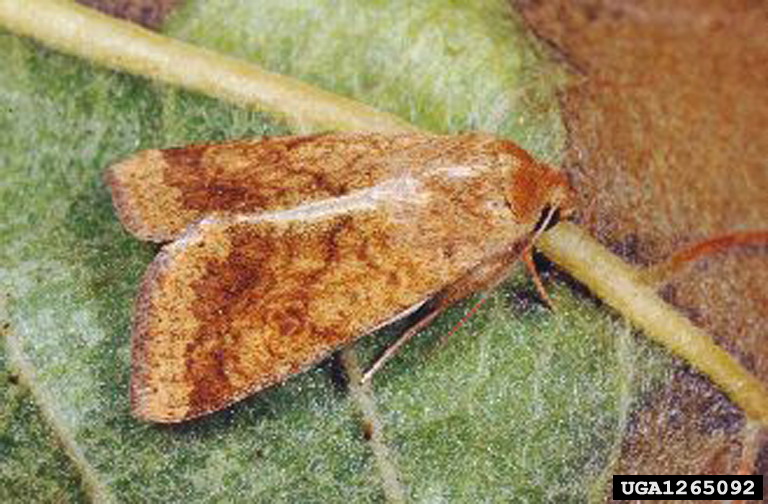
Cotton bollworm on cotton crops can be identified by circular holes, insect waste near entry holes, and egg clusters on leaves, flower buds, and seed pods. The caterpillar itself has greyish-black stripes running down its body, and the adult moth is 3.5-4cm wide and yellowish-brown in tone.
How did Chinese farmers address the cotton bollworm?
The widespread solution was frequent spraying with highly hazardous organophosphate and pyrethroid insecticides. One study examined the management of cotton bollworm in six provinces in northern China over a 15-year period.
The problem of using highly hazardous pesticides (HHP)
The study found that these sprays killed the bollworm’s natural enemies like lady beetles, spiders, and parasitic wasps. As a result, secondary pests like aphids and whiteflies began to thrive.
Farmers entered a cycle of spraying more, more pest resistance, more pest problems, and higher costs.
Intervening with biocontrol
In response, some areas began introducing Bt (Bacillus thuringiensis) cotton, a form of genetic biocontrol. Bt cotton is a genetically modified strain of cotton, where the genes from a soil bacterium have been inserted. These genes result in the cotton producing toxins for the bollworm, acting as an insecticide from within the plant itself. Alongside this, farmers reduced the amount of spraying of HHPs.
Improved pest control and prevention
As a result of this intervention, natural enemy populations rebounded within a few years. Farmers reported fewer secondary pest outbreaks and lower overall pesticide use. This resulted in increased economic returns, due to better pest control and lower input costs.
Key takeaways
By replacing HHPs with biocontrol and selected integrated pest management (IPM), it created a more stable and productive system. Although resistance can occasionally reduce the efficacy of Bt cotton, China effectively manages this challenge by implementing (IPM) principles.

