





Summary: Crop rotation (growing different crops in a planned sequence rather than repeatedly growing one crop) boosts soil health, suppresses weeds, and disrupts pest and disease cycles, leading to stronger, more resilient long-term yields.
Overview:
What is crop rotation?
The benefits of crop rotation
How crop rotation helps control pests and disease
Planning a crop rotation by season
FAQ
Summary
Crop rotation is an essential practice in many areas of the United States (US) agriculture, with a high percentage of farmers routinely rotating their crops. However, studies have found that 8 percent of corn, 14 percent of wheat, and 6 percent of soybeans in the US are grown continuously in the same fields. Failing to rotate crops can affect soil health and fertility, pest and disease control, and environmental resilience, with significant knock-on economic impacts. Experts have estimated a 10-25 percent higher yield in farms practicing crop rotation, particularly in corn-soybean rotations. While crop rotation is key to high-yield agriculture, it is just as relevant to a vegetable patch in the garden. This article will discuss what crop rotation is, its benefits, and how to plan crop rotation.
What is crop rotation?
Crop rotation is the practice of growing different crops on the same land across different seasons or years, instead of planting the same crop repeatedly. Crops are often alternated in a set pattern over cycles lasting from two to eight years. Rotation planning requires assessing which species will flourish when following a particular crop. For example, cycling nitrogen-depleting crops, such as corn, with nitrogen-restoring crops, such as legumes, or using a non-host crop after a pest-susceptible crop. When considering crop rotation, it is useful to group crops based on their botanical family. This is because pests and diseases are often highly specific to the plant family, and related plants tend to share similar nutrient profiles.
The benefits of crop rotation
Crop rotation provides many benefits to farmers. These include:
Soil health and fertility
Different plants require different nutrients and deplete the soil of certain nutrients during their growth cycles. Continuously planting the same plant species or plant family within the same soil will repeatedly deplete the same nutrients from the soil, resulting in infertile soils and an increased need for fertilizer. Incorporating nitrogen-fixing plants, such as legumes, into crop rotations with nitrogen-hungry crops provides the soil and subsequent crops with a natural increase in nitrogen, reducing the need for fertilizers. Crop rotation with plants that have deep roots also improves soil health, as their roots can break up compacted soil and enhance moisture retention.
Pest and disease management
Pests and plant pathogens are often specific to a crop or crop family and often require these plants to survive a dormant period (such as over winter). Rotating the crops disrupts pest life cycles, often removing these dormancy and post-harvest refuges. This results in a reduction in surviving pests for subsequent seasons, increased health for the next crop, a reduced need for pesticides, and a lowered risk of pests developing resistance to a single pesticide mode of action.
Weed suppression
Crop rotation contributes to weed suppression by shifting resource competition, soil disturbance, mechanical damage, and allelopathic effects (the production of biochemicals that influence the survival of nearby organisms). This constantly changing environment makes it harder for any single weed species to establish itself and spread. Competitive, fast-growing crops can shade the soil and outcompete weeds, significantly reducing weed density. Altering planting and harvest dates can disrupt the germination windows of weed species, ultimately preventing any single weed species from adapting to a pattern of repeated crop growth. Crop rotation therefore enables the reduced use of herbicides, making it a particularly helpful tool for organic farmers.
Better long-term yields and resilience
Studies have found that incorporating crop rotation into standard farming practices increases crop yields and long-term yield stability while also decreasing crop loss as a result of drought. While yields can also initially be increased to similar levels with the use of fertilizer, this decreases over time, whereas the yield benefits of crop rotation are maintained.
How crop rotation helps control pests and disease
As discussed above, crop rotation disrupts plant-specific pests and diseases by removing their food source and interrupting reproduction cycles or dormancy over winter. Crop rotation is considered to be a key aspect of integrated pest management (IPM) frameworks, where it can be used alongside other pest management tools such as biological control. Crop rotation and biological control can work in tandem, as the increased diversity provided by rotating crops supports the incorporation of beneficial predators that contribute to pest management. In addition, crop rotation creates conditions that are simultaneously beneficial to the crops and unfavorable for the pest.
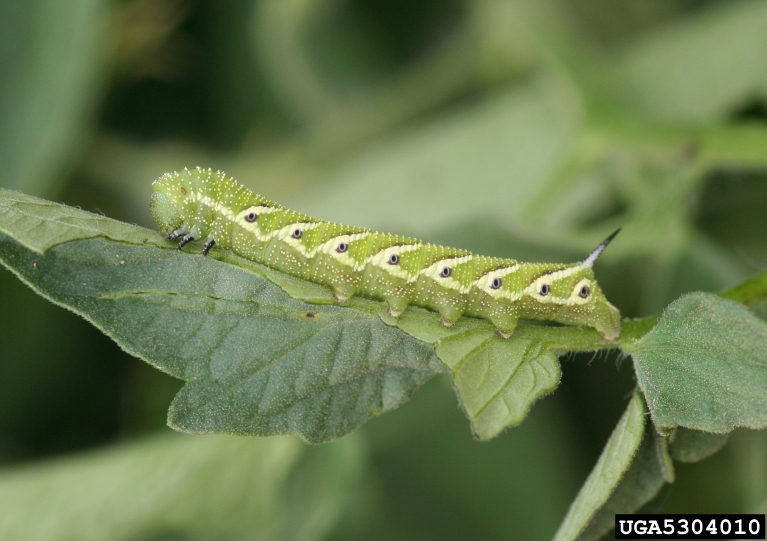
For example, the tomato hornworm is a pest that consumes tomato plant leaves, with the potential to completely defoliate and kill the plants before the fruit has time to ripen. They overwinter in the soil as pupae and hatch into adult moths in late spring or early summer. The moths lay their eggs on the tomato plants. By replanting tomatoes or a related species (such as peppers) in the same patch, the emerging moths have immediate and easy access to a host plant to lay their eggs. However, if crops are rotated and a different, unrelated species (such as legumes) is grown, the moths emerge to find a lack of plants that they can lay eggs on, collapsing the reproductive cycle. The planting of legumes also benefits the crops grown the following year by fixing nitrogen in the soil.
Planning a crop rotation by season
Regular crop rotation can benefit all production areas, from large agricultural farms to small vegetable gardens. However, it requires sufficient planning to ensure that crop yields are optimized. An example plan could look like this:
- Year 1 – Legumes: Start with peas or beans. These are a good first crop as they add nitrogen to the soil and prepare the bed for new crops the following year.
- Year 2 – Leafy crops: Plant lettuce, spinach, kale, or other green vegetables. They benefit from the nitrogen left behind by the legumes and often grow best in cooler conditions.
- Year 3 – Fruiting crops: Grow tomatoes, sweet peppers, or courgettes. These crops prefer hot summer conditions.
- Year 4 – Root crops: Plant carrots, onions, or parsnips last in the rotations.
- Throughout each season, monitor crops for pest damage, such as small holes in leaves, leaf discoloration, and shoot wilting. These can be early signs that a pest population is building up within that plant family.
- Whatever has occupied the bed determines what should and shouldn’t be planted the following year, so as to best control pests. For growers who want to go further, biocontrol methods and resources can complement a well-planned rotation by providing additional protection.
FAQ
What is crop rotation and why is it important?
Crop rotation is where different crops are grown on the same land in a planned sequence across different seasons/years instead of repeating one crop. It is important because different plant families use nutrients differently and attract different pests and diseases, so alternating crops helps to keep the soil healthy and increase crop yield.
What are the main benefits of crop rotation?
Regular crop rotation supports soil fertility, improves soil structure, suppresses weeds, and helps to reduce the risk of crop-specific pests. Over time, these benefits contribute to greater long-term yields and a more resilient growing system.
How does crop rotation help manage pests and diseases?
Many pests and diseases are specific to a particular crop or plant family and can overwinter in soil or plant debris, ready to attack the same crop the following year. Rotating to an unrelated crop removes their food source and breaks their life cycle.
How can advisors help farmers plan an effective rotation?
Advisors can help farmers by reviewing the farm’s crop history, soil health, and pest pressure before recommending a rotation plan. A good plan matches crops to the right season and leaves room for complementary tools, such as biocontrol and sustainable pest control solutions, when rotation alone isn’t sufficient to manage pest pressure.
Summary
Crop rotation, growing different crops in a planned sequence instead of repeating the same crop, is a key process for both agricultural farms and small gardens. It supports soil health and fertility, suppresses weeds, and disrupts the life cycles of crop-specific pests. This results in improved long-term yields and a more resilient system. Carefully planning a rotation by season helps growers to get the most from their crops, while pairing it with complementary methods like biocontrol offers additional protection where rotation alone isn’t sufficient.


