






Summary: Fairtrade certification supports fairer incomes, worker rights, and more sustainable farming practices for farmers and workers worldwide. Fairtrade encourages safer pest management, including biological control, to reduce reliance on synthetic chemical pesticides. Biological control, sometimes referred to as biocontrol or bioprotection, can help farmers protect crops, reduce costs and chemical exposure, and support healthier, more resilient farms.
Overview
What is Fairtrade agriculture?
Does Fairtrade allow pesticides?
Biological control
Benefits for Fairtrade producers
Summary
FAQ
Fairtrade is a sustainability certification that supports fairer treatment of farmers and agricultural workers worldwide. Its goals include poverty reduction, child protection, and worker rights. “Fairtrade,” the certification, is different from “fair trade,” which is a broader movement that promotes the fair treatment of producers and workers. Importantly, “fair trade” may appear on the labels of some products but that does not mean they are “Fairtrade” certified.
Fairtrade supports more than 37,000 products from over 1,800 producer organisations across more than 140 countries. Major products that Fairtrade covers include coffee, cocoa, banana, and tea. It promotes sustainable practices under the umbrella of agroecology and provides standards that aim to improve soil quality and reduce the use of harmful chemicals, among many other goals.

Biological control is the use of living organisms and naturally-sourced (or nature-identical) compounds to control pest populations in agriculture production. It supports sustainability by reducing the use of synthetic pesticides that can pose dangers to people, wildlife, and the environment. Biocontrol provides practical methods for pest management that support Fairtrade agricultural practices.
What is Fairtrade agriculture?
Fairtrade agriculture refers to farming practices that follow established Fairtrade International standards. It aims to ensure farmers and workers receive fair treatment, fair prices, and better working conditions. Producer organisations, cooperatives, and suppliers must adhere to these standards in order to receive Fairtrade certification. Requirements include, but are not limited to:
Social requirements: To protect worker rights, promote gender equality, and fight against discrimination.
Economic requirements: To ensure workers receive a fair income and encourage transparent and fair trading relationships between producers and buyers.
Environmental requirements: To promote sustainable farming practices and encourage Integrated Pest Management (IPM) and restrict the use of certain hazardous chemical pesticides. A key focus of Fairtrade is helping farmers earn a decent living and addressing the low incomes faced by many farmers and workers around the world. The Fairtrade Minimum Price helps protect farmers and ensures they receive a fairer return for their products. The Fairtrade Premium is an additional payment on top of the selling price that producer organisations can invest in projects that benefit farmers, workers, and their communities.
Does Fairtrade allow pesticides?
Fairtrade policies do not forbid the use of synthetic chemical pesticides. However, Fairtrade standards encourage the use of alternative methods before synthetic chemical pesticides are used for pest control. This is because evidence has shown that certain compounds or active ingredients in synthetic pesticides are hazardous to human health as well as to wildlife and the environment. Fairtrade standards categorises these hazardous materials into three lists.
Red list: Materials that must not be used on Fairtrade products. These are typically Highly Hazardous Pesticides (HHPs).
Orange list: Restricted materials that may only be used if certain criteria are met.
Yellow list: Materials flagged as being hazardous and to be used with extreme caution, and ideally not used at all.
By taking this approach, Fairtrade treats synthetic chemical pesticides as managed tools. Its standards highlight educating workers about the risks of certain pesticides and putting appropriate safety measures in place to protect them from these risks.
Biological control
Biological control involves the use of biological products on crops by farmers and can involve the introduction of natural enemies to manage invasive species that harm agriculture. Biological control methods offer a more sustainable, less hazardous alternative to the use of synthetic chemical pesticides. Fairtrade farming policies encourage the use of IPM strategies which include the use of biological control in addition to pest monitoring and preventive measures against pests and diseases.
Natural Substances: These are typically derived from plants, animals and microorganisms and can be used to repel or kill pests. For example, pyrethrin is a compound found in flowering plant species and can be used to protect cotton crops from aphid infestations in high-producing countries such as the Ivory Coast.
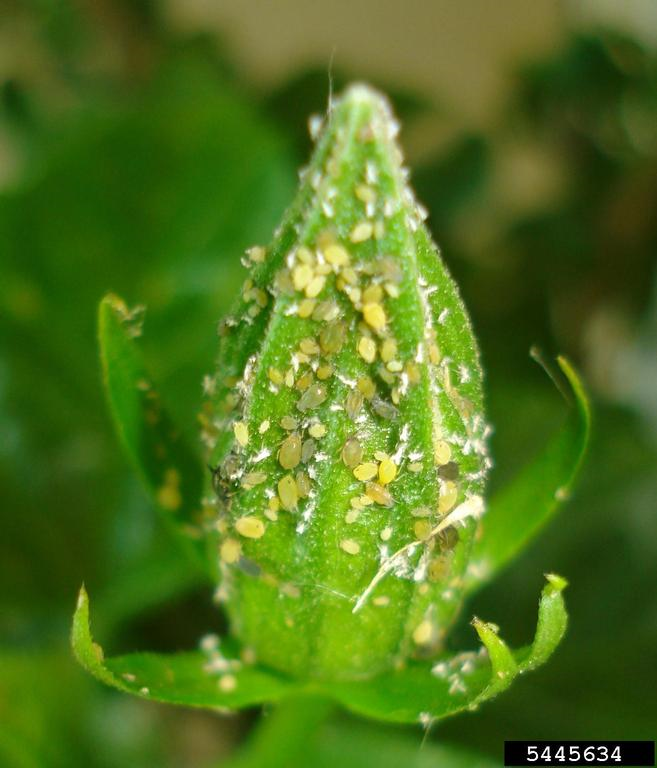
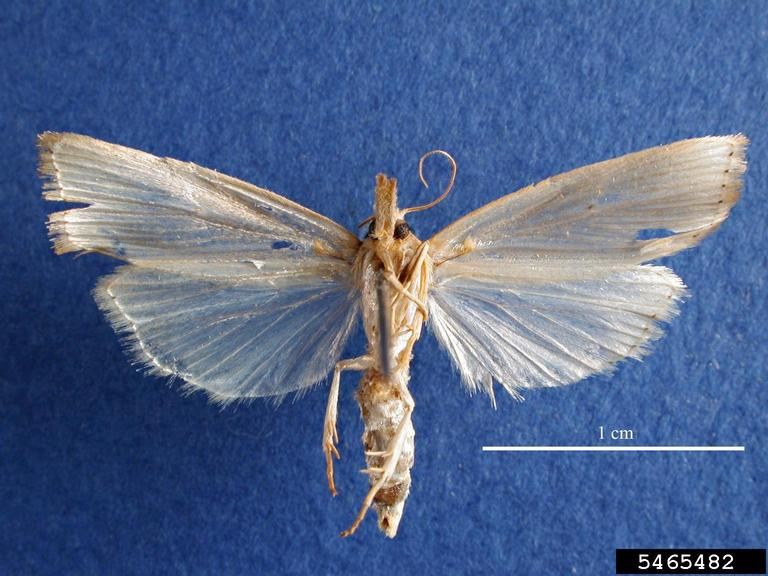
Semiochemicals: These are messaging compounds, such as pheromones, that can be used to change and disrupt pest behaviour. For example, 5,9-dimethylpentadecane disrupts the mating behaviour of the coffee leafminer, a major pest affecting coffee crops in Brazil.
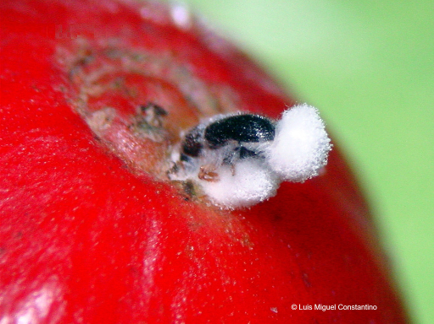
Microbials: These are microorganisms like bacteria, fungi, and viruses that harm pests and disease-causing microbes but not crops. For example, the fungus Beauveria bassiana can be used to control the coffee berry borer, which causes significant damage to coffee crops and is widespread in most coffee-producing countries.
Macrobials: These are insects, mites and nematodes that are natural enemies, antagonists or competitors of a crop pest. Parasitoids are a type of biological control agent that lay their eggs in or on a host, eventually killing it. For example, the parasitic wasp, Trichogramma galloi, lays its eggs inside the eggs of the sugarcane borer. This kills the pest and helps control its numbers in Brazilian sugarcane crops.
Benefits for Fairtrade producers
Biological control, also referred to as biocontrol and bioprotection, provides many benefits for Fairtrade producers.
Promotes biodiversity
Some synthetic chemical pesticides negatively affect non-target insect populations, not just the pests that attack crops. In this way, they can reduce the levels of beneficial insects, including natural enemies and predators, that naturally keep pest numbers under control. Biological control methods can provide a more targeted way to control pest numbers without reducing the numbers of beneficial insects or causing lasting damage to the environment.
Meeting maximum residue limits
A Maximum Residue Limit (MRL) is the maximum concentration of a pesticide or veterinary drug residue that is legally allowed in food or animal feed. Producers must comply with national laws and laws of the export market where their product will be sold. For example, producers for EU markets may be required to perform residue testing to demonstrate compliance with EU MRLs. Use of biological control can significantly reduce the use of synthetic chemical pesticides and associated residue and MRL compliance risks.
Reduced costs
Biological control and broader IPM approaches can reduce reliance on synthetic chemical pesticides, lowering input and application costs and potentially improving profitability over time.
Worker safety
Reduced exposure to hazardous chemicals can safeguard farmers and workers from potential health issues.
Sustainability and resilience
By reducing the potential for environmental damage, biological control provides a more sustainable approach to agriculture that improves land quality and makes farms more resilient to pests.
Summary
Fairtrade is a globally recognised certification that supports fairer trading for farmers and producers. It covers a range of focus areas, including farmer health and livelihoods, social factors such as worker rights and gender equality, as well as environmental protection, such as through reducing the use of chemical pesticides. Biological control methods are an effective way for farmers to align with Fairtrade standards and promote sustainable agriculture.
FAQ
Does fair trade certification ban pesticides?
No, Fairtrade certification does not ban all pesticides outright. Instead, it categorises chemical pesticides and other materials into three lists. While some materials are banned, others are permitted under certain conditions. Fairtrade strongly encourages reducing the use of chemical pesticides.
Is fair trade the same as organic?
No, Fairtrade and organic are not the same thing. In general, organic certification focuses on the quality of products and the land in which they are produced. On the other hand, Fairtrade also focuses on social and economic factors that impact growers and suppliers. For pesticides, organic certification requires that no chemical pesticides are used in the production of a product, while Fairtrade permits some chemicals to be used under specific conditions. Rainforest Alliance certification is also distinct from Fairtrade certification.
Which biological pest control products are allowed on Fairtrade farms?
Most, if not all, biological pest control products are permitted on Fairtrade farms so long as their contents do not appear on the list of prohibited pesticides or those requiring specific conditions for use as outlined by Fairtrade standards.


