






Aflatoxin is a harmful toxin produced by certain Aspergillus fungi that can contaminate crops, posing serious risks to human health, food security and farmer livelihoods. Good farming and storage practices, alongside biological controls, can help prevent contamination and reduce aflatoxin levels in food.
Overview:
What is aflatoxin and where does it come from?
How does aflatoxin contamination develop in crops?
Which crops are affected by aflatoxin?
Why is aflatoxin contamination a concern?
How can farmers prevent aflatoxin contamination?
FAQ
Summary
Aflatoxin contamination is a serious global concern for human health, food security and producer livelihoods. Roughly a quarter of the world’s crops are estimated to be affected by aflatoxins. Aflatoxins are produced by certain species of Aspergillus fungi and can contaminate food crops, causing serious health problems that include cancer. Contamination can also reduce crop value and limit access to markets, creating significant challenges for farmers. This blog explains what aflatoxin is, how and why contamination develops, which crops are most at risk, and the impact on human health. It also explores practical farming practices and biological controls for reducing contamination.
What is aflatoxin and where does it come from?
Aflatoxin is a toxin produced by different species of fungi. A toxin is a poison made by a living thing, such as a fungus, bacterium, plant, or animal. A toxin made by a fungus is called a mycotoxin. Toxins can harm the body and make a person or animal sick. There are many types of aflatoxins, although the group is sometimes referred to collectively as “aflatoxin”. Aspergillus flavus and Aspergillus parasiticus are the two species of fungi most responsible for releasing aflatoxin. A central reason why aflatoxin is a serious health concern is because it is classified as a Group 1 carcinogen by the IARC. This means it can cause a person to develop cancer.
Aflatoxin B1
There are many types of harmful aflatoxin, but aflatoxin B1 is considered the most common and the most toxic. It is often abbreviated as AFB1. Large doses of aflatoxin B1 can cause death while lower doses over longer periods of time can still contribute to the development of cancer, particularly a type of liver cancer called hepatocellular carcinoma. Aflatoxin B1 is found in many types of food, including some cereals, seeds, yams, nuts, spices, and milk products. It is produced by the species Aspergillus flavus.
When aflatoxin is consumed in contaminated food, it is processed by the liver into a compound that causes damage to DNA and leads to health problems. The toxin can accumulate in the liver over time. While eating contaminated food is the most common source of aflatoxin-related illness, it can also cause problems if inhaled or absorbed through the skin.
How does aflatoxin contamination develop in crops?
Aspergillus flavus can infect a variety of plants and contaminate them with aflatoxin. Injury to plants caused by insect pests can create opportunities for the fungus to colonise. Aspergillus flavus colonies are green and can survive and grow even under very harsh conditions. Colonies can be easier to spot under UV light. In addition to potentially causing aflatoxin contamination, the fungal infection can cause reductions in plant yields and loss of market value. Contamination can occur both before and after the crop is harvested, and there are factors which increase contamination risk in both scenarios.
Factors that favour spergillus flavus growth
Like all living things, the fungi that produce aflatoxin grow more actively under certain conditions:
- pH: These fungi can survive in both acidic and alkaline (basic) environments, but are more likely to produce aflatoxin under mildly acidic conditions.
- Light: Aflatoxin production is more likely to occur in dark environments than in bright ones.
- Moisture: High-moisture environments favour both fungal growth and aflatoxin production.
- Temperature: Aspergillus flavus can survive at temperatures ranging from 12 °C to 48 °C. Temperatures between 28 °C and 37 °C are optimal for fungal growth, while temperatures between 25 °C and 35 °C favour aflatoxin production.
- Nutrients: These fungi thrive more in environments with higher sugar levels than in high-fat environments, although lipids (fats) are still important for aflatoxin production.
Pre-harvest risks
Pre-harvest aflatoxin contamination risks include a lack of proper drainage in the growing area, which leads to higher moisture content. Nutrient-stressed or water-stressed plants are less resilient to infection and can be more likely to be contaminated by aflatoxin.
Post-harvest risks
Post-harvest risk factors for aflatoxin contamination include insufficient drying of crops such as maize and failure to sort contaminated grains from clean ones. Poor cleaning of storage vessels can also contribute to aflatoxin contamination. The choice of storage material can also play a role. Purdue Improved Crop Storage (PICS) sacks are better at preventing fungal growth than polypropylene sacks. Longer storage periods also provide more opportunities for fungi to grow and produce toxins. Storing crops with other crops can lead to cross-contamination if one is contaminated with aflatoxin.
Which crops are affected by aflatoxin?
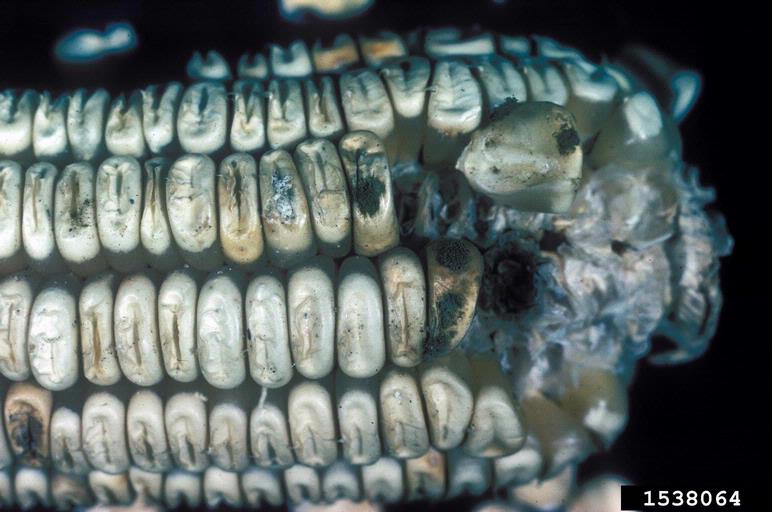
Many types of plants are susceptible to contamination by aflatoxin. Crops grown in warm and humid regions, such as sub-Saharan Africa where maize is a major crop, are more susceptible. Peanuts, tree nuts, and spices are other crop types that are grown in hot and humid environments and are significantly affected by aflatoxin.
Why is aflatoxin contamination a concern?
Aflatoxin is a toxin that can pose significant risks to human health. The medical term for poisoning by aflatoxin is aflatoxicosis. Aflatoxin can weaken the human immune system, cause stunted growth in children, and lead to cancer. Higher doses can cause death. A significant aflatoxicosis outbreak in Kenya in 2004 caused 125 fatalities.
Aflatoxin contamination poses a particular threat to food security for smallholder farmers, especially in countries where crops such as maize are a primary food source. Significant outbreaks can mean that there is less food available for farmers in local communities. Aflatoxin contamination can also prevent farmers from selling their crops or force them to sell at lower prices, negatively affecting their livelihoods.
Aflatoxins are also estimated to cause USD $6-18 billion in losses annually, in part due to trade rejections. Many countries have established maximum residue limits for permissible aflatoxin concentrations when importing. This can mean that producers may struggle to sell their products on certain markets. Codex Alimentarius provides international food standards for aflatoxin contamination, while the EU sets maximum levels for different aflatoxins and food products.
How can farmers prevent aflatoxin contamination?
Fortunately, there are methods available for preventing aflatoxin contamination and protecting growers and consumers. These methods can be used as part of an Integrated Pest Management strategy.
Cultural control
Cultural control involves using specific farming practices to lower the risk of Aspergillus flavus and aflatoxin contamination. Fungi thrive in moist environments, which means that ensuring growing areas have proper drainage and avoiding overwatering can help reduce fungal growth. Storing products in metal silos and PICS sacks can reduce the exposure of crops to oxygen and reduce fungal growth. Storing dry food or crops in an airtight container or bag to keep out moisture, insects, and fungi is called hermetic storage and can help to prevent contamination. Farmers can also grow resistant crop varieties that are less susceptible to fungal infection.
Biological control
- Natural Substances: These are typically derived from plants and can be used to kill pests and harmful microbes. For example, natural oils can disrupt fungal cells and prevent them from growing.
- Microbials: These are microorganisms like bacteria, fungi, and viruses that harm pests and disease-causing microbes but not crops. Non-toxic strains of Aspergillus flavus can be applied to crops to outcompete aflatoxin-producing strains and reduce aflatoxin contamination. This mode of action is called competitive exclusion. Aflasafe is a microbial biopesticide that works through this mode. Some Bacillus bacteria and Trichoderma fungi may help degrade aflatoxins or reduce their production, although effectiveness depends on the specific strain and conditions.
Summary
Aflatoxin in maize and other crops poses serious risks to human health, food security and farmer livelihoods, particularly in warm and humid regions. Understanding the conditions that favour aflatoxin-producing fungi is key to reducing contamination. By combining good agricultural and storage practices with biological controls, including atoxigenic biocontrol, farmers can reduce aflatoxin risks and help protect crops, consumers and agricultural markets worldwide.
Explore our in-depth pest management guides on controlling microorganisms and animal pests that can threaten crop health and yields.
FAQ
What is the difference between aflatoxin and Aspergillus?
Aspergillus is a genus of fungi, while aflatoxins are toxins produced by some Aspergillus species. Aspergillus flavus and Aspergillus parasiticus can contaminate crops and produce harmful aflatoxins. Aflatoxin B1, which is produced by Aspergillus flavus, is considered the most common and most toxic type.
Can aflatoxin be removed from a contaminated crop?
There are methods for removing aflatoxin from contaminated crops, such as dry roasting and other cooking methods. However, preventing aflatoxin contamination is preferable to trying to remove it once it is present.
How does atoxigenic biocontrol reduce aflatoxin?
Atoxigenic biocontrol uses strains of Aspergillus flavus that do not produce aflatoxin. When applied to crops, these non-toxic strains compete with aflatoxin-producing strains of the fungus. By outcompeting the toxin-producing strains, they can reduce aflatoxin contamination in crops.
Which crops are most affected by aflatoxin?
Aflatoxin can contaminate a wide range of crops and food products, particularly those grown in warm and humid conditions that favour fungal growth. Maize and peanuts are particularly affected, while other susceptible products include tree nuts, cereals, seeds and spices. Milk products can also become contaminated if animals consume contaminated feed.


